

Brighter teeth are one of the most common reasons Orlando patients ask about cosmetic dentistry. Professional teeth whitening offers a faster, more controlled way to lighten tooth color than the kits found at the drugstore. Before booking, it helps to understand how professional whitening works, how in-office treatment compares to at-home options, and what makes someone a good candidate. This guide walks through each of those points so you can decide whether whitening is the right next step for your smile.
Professional teeth whitening uses dental-grade products applied or supervised by a dental team to lighten tooth color. In-office treatment works faster and more evenly than over-the-counter kits because of stronger agents and professional oversight. Candidacy depends on the cause of discoloration and the health of the teeth and gums.
Professional Teeth Whitening in Orlando: An Overview
Professional teeth whitening is a cosmetic treatment that lightens the color of the teeth using dental-grade whitening agents applied or supervised by a dental team. It is designed to be more controlled and even than store-bought products.
For Orlando patients exploring cosmetic options, whitening is part of the dental and facial aesthetics services our team provides. It is one of the more conservative cosmetic treatments because it does not alter the structure of the teeth, only their shade. The sections below explain how it works and who tends to benefit most.
How Professional Whitening Works
Professional whitening uses peroxide-based agents that break down stains within the enamel and dentin, lightening the overall color of the tooth. Under professional supervision, the concentration and contact time are controlled for an even result.
In an in-office session, the gums are protected first, then the whitening gel is applied to the teeth, sometimes activated by a special light. The process is monitored throughout so the agent stays on the teeth and off the soft tissue. Because dental-grade products are stronger than over-the-counter options, results are often visible after a single visit, though the exact outcome depends on the starting shade and the type of staining. Some patients are also given custom take-home trays to maintain or extend their results.
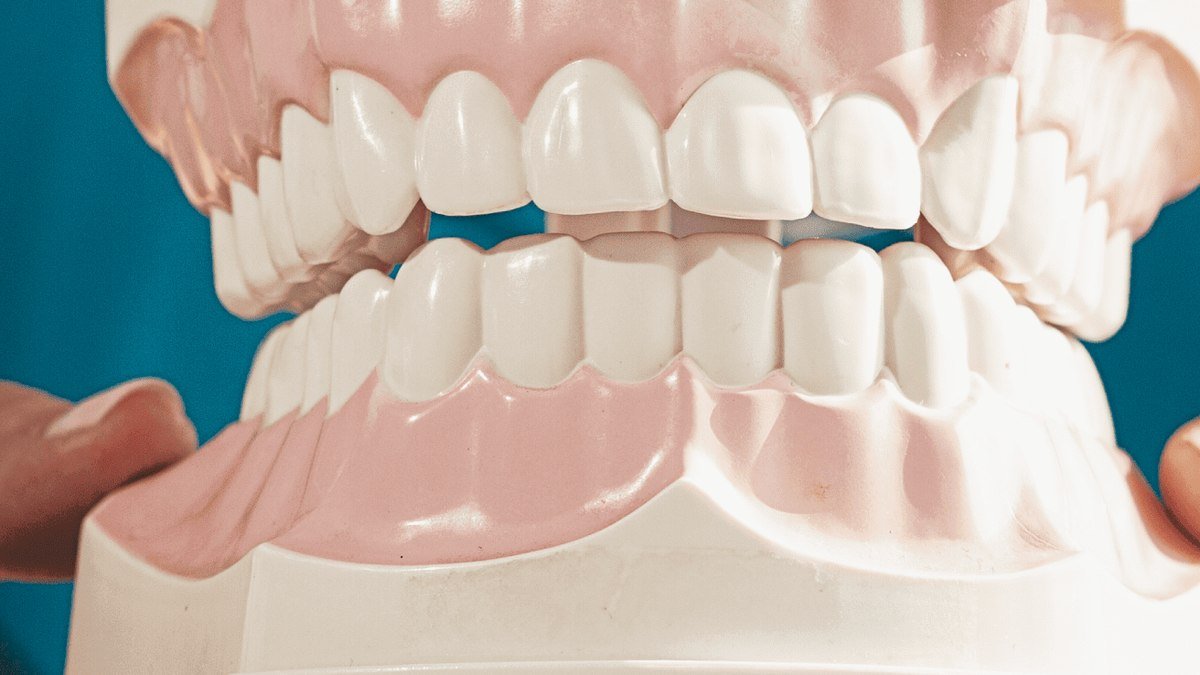
In-Office vs. At-Home Whitening
The main differences are speed, strength, and supervision: in-office whitening is faster and professionally monitored, while at-home options work more gradually. Custom take-home trays from a dental office sit between the two.
Over-the-counter strips and gels use lower concentrations and can produce uneven results if applied inconsistently, and they may cause sensitivity when used without guidance. In-office whitening uses stronger agents under professional control, which protects the gums and tends to produce a more uniform result more quickly. Custom take-home trays prescribed by a dentist offer a middle path: professional-grade gel in trays molded to your teeth, used at home over a couple of weeks. Routine preventive visits are a good time to discuss which approach fits your goals.
What Causes Tooth Discoloration
Tooth discoloration comes from two main sources: surface stains from food, drink, and tobacco, and deeper changes within the tooth from aging, medication, or trauma. Whitening responds differently to each.
Surface stains, called extrinsic stains, build up from coffee, tea, red wine, and tobacco, and they generally respond well to whitening. Deeper, intrinsic discoloration can come from natural aging, certain medications taken during tooth development, or injury to a tooth, and these respond less predictably to whitening. Knowing the cause matters because it shapes realistic expectations. In some cases of intrinsic discoloration, a cosmetic option like veneers may be discussed instead, which the team can review during a dental and facial aesthetics consultation.
Who Is a Good Candidate for Whitening?
Good candidates for whitening have healthy teeth and gums and discoloration that responds to bleaching, typically surface staining. Active dental issues should be addressed before any cosmetic whitening.
Before whitening, the team checks for cavities, gum disease, and worn enamel, since whitening agents can aggravate existing problems and increase sensitivity. Patients with healthy gums and intact enamel are generally well suited. Whitening also does not change the color of dental work such as crowns, fillings, or veneers, so patients with visible restorations are counseled on what to expect. A consultation with our team confirms candidacy and sets realistic goals based on the cause and degree of discoloration.
Caring for Your Results
Whitening results last longer with good oral hygiene, mindful consumption of staining foods and drinks, and routine dental care. Results are not permanent, so maintenance matters.
Limiting coffee, tea, red wine, and tobacco helps slow the return of stains, as does rinsing with water after consuming them. Brushing twice daily and flossing keep the teeth clean and the results visible. Many patients use periodic touch-ups with custom take-home trays to maintain their shade over time, often as part of a broader aesthetic wellness routine. Keeping up with routine preventive visits allows the team to monitor enamel health and recommend touch-ups when appropriate.
We start with an exam to confirm your teeth and gums are healthy, identify the cause of discoloration, and recommend the whitening approach that fits your goals. Request your appointment online or call (321) 850-5990.
Frequently Asked Questions
How long does professional teeth whitening last?
Results vary by person and habits. Whitening is not permanent, and stains gradually return depending on diet, tobacco use, and oral hygiene. Many patients maintain their results with periodic touch-ups using custom take-home trays. Limiting staining foods and drinks helps extend the effect.
Does teeth whitening cause sensitivity?
Some patients experience temporary tooth sensitivity during or after whitening, which usually subsides within a day or two. Professional supervision helps minimize this by controlling the strength and contact time of the whitening agent. Let your dental team know if you have a history of sensitivity.
Will whitening work on crowns or fillings?
No. Whitening agents lighten natural tooth enamel but do not change the color of dental restorations such as crowns, veneers, or fillings. Patients with visible restorations are counseled on what to expect, and sometimes restorations are updated after whitening to match the new shade.
Is in-office whitening better than store-bought kits?
In-office whitening uses stronger, dental-grade agents under professional supervision, which tends to produce faster and more even results than over-the-counter kits. Store-bought products use lower concentrations and can produce uneven results if applied inconsistently. The best option depends on your goals and timeline.
Is teeth whitening safe?
When performed or supervised by a dental professional on healthy teeth and gums, whitening is generally considered safe. The team protects the gums and controls the process to reduce irritation and sensitivity. Addressing any active dental issues first is an important part of a safe outcome.