

For adults considering orthodontic treatment, the choice usually comes down to Invisalign or traditional braces. Both move teeth into better alignment, but they take very different approaches and fit different lifestyles and clinical needs. One is nearly invisible and removable, while the other is fixed and works continuously. This guide compares how each treatment works, how they differ in appearance and daily comfort, and the factors that help determine which option is the better match for your situation.
Invisalign uses a series of clear, removable aligners to straighten teeth, while traditional braces use fixed metal brackets and wires. Invisalign is less visible and removable for eating and cleaning, but braces can handle more complex movements. The better option depends on the complexity of the case, lifestyle, and personal preference.
Invisalign vs. Braces: Quick Comparison
The fundamental difference is the appliance: Invisalign relies on a sequence of clear, removable plastic aligners, while braces use metal or ceramic brackets bonded to the teeth and connected by wires. Invisalign is taken out to eat and clean; braces stay on throughout treatment.
Both systems apply controlled pressure to move teeth gradually into a better position, and both are offered as part of orthodontic care. The choice between them is rarely about which is universally better and more about which suits the complexity of the case and the patient’s daily life. The sections below break down the practical differences.
How Invisalign Works
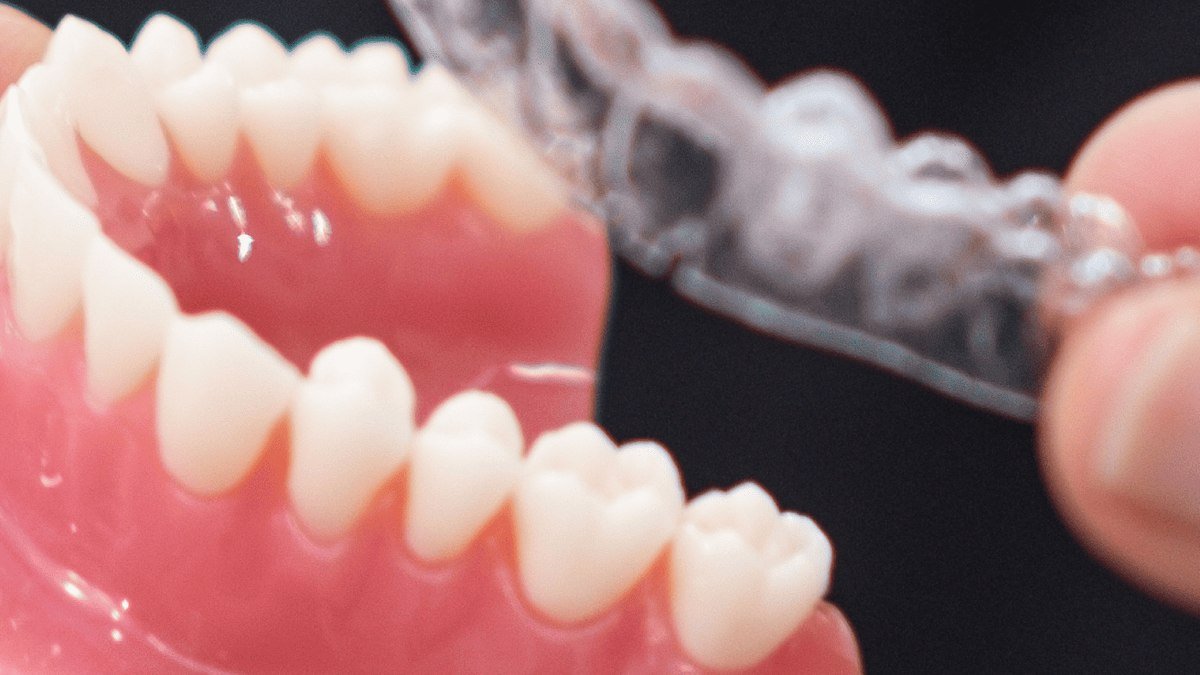
Invisalign straightens teeth using a custom series of clear aligner trays, each worn for about one to two weeks before moving to the next in the sequence. Each tray is slightly different, nudging the teeth a small amount until they reach their planned positions.
Treatment begins with a digital scan of the teeth, which is used to map out the full movement plan and fabricate the aligners. Invisalign, made by Align Technology, is designed to be worn 20 to 22 hours per day and removed only for eating, drinking anything other than water, and cleaning. Because the trays are removable, there are no food restrictions and brushing and flossing stay simple. Compliance matters: the aligners only work when they are actually being worn, so the system rewards disciplined patients.
How Traditional Braces Work
Traditional braces use brackets bonded to each tooth and connected by an archwire that is periodically adjusted to guide the teeth into alignment. Because they are fixed in place, they work continuously without depending on the patient remembering to wear them.
Braces apply steady, precise force and can achieve complex tooth movements that are harder to accomplish with aligners, including significant rotations and bite corrections. Modern options include tooth-colored ceramic brackets that are less noticeable than metal. The trade-offs are that braces are visible, certain hard or sticky foods must be avoided, and cleaning around the brackets and wires takes more effort. Regular adjustment visits are part of the process throughout treatment.
Comparing Appearance, Comfort, and Daily Life
Invisalign is the more discreet and lifestyle-flexible option, while braces require more daily adjustment but remove the need for compliance. The right balance depends on how much visibility and convenience matter to you.
On appearance, the clear aligners are far less noticeable than metal brackets, which many adults prefer in professional settings and when pursuing broader dental & facial aesthetics goals. On comfort, aligners have no sharp brackets or wires, though there can be mild pressure when switching to a new tray; braces can occasionally irritate the cheeks and lips. On daily life, removable aligners mean no food restrictions and ordinary brushing and flossing, while braces require avoiding certain foods and more careful cleaning. Maintaining good oral hygiene matters with either system, and routine preventive visits help keep teeth healthy throughout treatment.
Treatment Time and Case Complexity
Treatment length for both options depends on the complexity of the case, and braces tend to handle the most complex movements most predictably. Simple to moderate cases are often well suited to Invisalign, while severe crowding or bite issues may favor braces.
For many mild to moderate alignment issues, Invisalign and braces have comparable timelines. When a case involves substantial rotation, large gaps, or significant bite correction, braces sometimes achieve the result more efficiently because the fixed appliance gives the orthodontic provider continuous control. According to the American Association of Orthodontists, both fixed and removable appliances are established methods of moving teeth, and the appropriate choice is determined by the individual case. An exam and imaging are needed to estimate a realistic timeline for either option.
Which Option Is Right for You?
The decision depends on the complexity of your case, your lifestyle, and your personal preferences around appearance and convenience. Both are effective tools, so the goal is matching the tool to the situation.
Invisalign tends to suit adults with mild to moderate alignment needs who value discretion and removability and who will commit to wearing the trays consistently. Braces tend to suit more complex cases or patients who prefer not to rely on compliance. The best way to decide is a consultation that includes an exam and imaging, where the orthodontic options are mapped against your specific bite. Our team reviews both paths and helps you weigh the trade-offs.
A consultation with an exam and imaging is the clearest way to see whether Invisalign or braces fits your goals. Request your appointment online or call (321) 850-5990.
Frequently Asked Questions
Is Invisalign as effective as braces?
For mild to moderate alignment issues, Invisalign and braces produce comparable results. For complex cases involving significant rotation or bite correction, braces sometimes offer more predictable control. The most effective option depends on the specifics of your case, which an exam and imaging help determine.
Does Invisalign take longer than braces?
Treatment time depends on case complexity rather than the appliance alone. For many cases the timelines are similar, though complex movements can sometimes be completed more efficiently with braces. A consultation is needed to estimate a realistic timeline for your situation.
Are braces more painful than Invisalign?
Both can cause mild pressure or soreness, especially after adjustments or when switching to a new aligner tray. Braces may occasionally irritate the cheeks and lips because of the brackets, while aligners have smooth edges. Most discomfort is temporary and manageable.
Can adults get Invisalign or braces?
Yes. Orthodontic treatment works at any age as long as the teeth and gums are healthy. Many adults choose Invisalign for its discreet appearance, while others opt for braces depending on the complexity of their case and personal preference.
Is Invisalign covered by dental insurance?
Many dental plans that include orthodontic benefits cover Invisalign similarly to braces, though coverage varies by plan. Our team can review your benefits during the consultation and discuss available payment options, including our in-house membership plans for patients without insurance.