

Every parent knows the back teeth are the hardest to reach, and for kids they are also where most cavities begin. Those molars have deep grooves that trap food and bacteria, and no amount of careful brushing fully cleans them. Dental sealants offer a simple, painless way to close off those grooves before decay can start. This guide explains what sealants are, why children benefit from them most, how the quick procedure works, and how sealants fit into a complete prevention plan at University Dental Group in Orlando.
Dental sealants are thin protective coatings applied to the chewing surfaces of a child's back teeth, where cavities most often start. The procedure is quick, painless, and requires no drilling. At University Dental Group in Orlando, sealants are BPA free and form one part of a broader preventive care plan for kids.
What Are Dental Sealants?
Dental sealants are thin, protective coatings painted onto the chewing surfaces of the back teeth, usually the molars. They flow into the deep grooves where a toothbrush cannot reach and then harden into a smooth barrier. That barrier keeps food and bacteria from settling into the grooves and turning into decay.
The back teeth have natural pits and fissures that are narrower than a single toothbrush bristle, which makes them nearly impossible to clean fully, even for kids who brush well. A sealant covers those grooves so plaque has nowhere to hide. At University Dental Group, the sealants used are BPA free, a detail many parents ask about specifically. Sealants are one of several preventive dental services offered for children, alongside cleanings, exams, and fluoride.
Why Kids Are Especially Prone to Cavities in Back Teeth
Children are more likely to get cavities in their molars because those teeth do the heavy chewing and have the deepest grooves. Kids are also still learning to brush thoroughly, and their diets often include sticky or sugary foods that cling to the back teeth long after a meal is over.
According to the Centers for Disease Control and Prevention, school-age children without sealants have close to three times as many cavities in their first molars as children who have them. The first permanent molars usually come in around age 6, and the second molars around age 12, which is why those two windows matter most when planning sealant timing.
How the Sealant Procedure Works
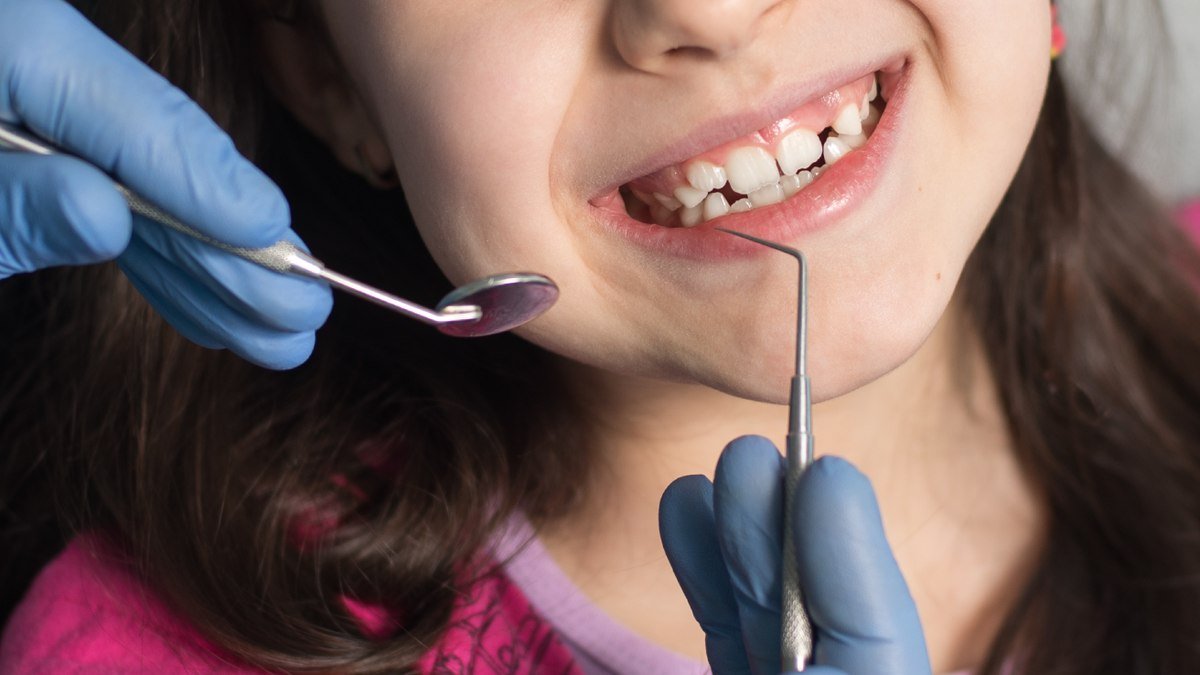
Applying a sealant is quick and does not involve drilling, needles, or numbing. The dentist cleans and dries the tooth, applies a mild solution that helps the sealant bond, then paints on the liquid sealant and hardens it with a curing light. The whole process takes only a few minutes per tooth.
Because there is no discomfort, a sealant appointment is often a good first positive experience for an anxious young patient. Children can eat and drink normally right afterward, and the material is nearly invisible, so it does not change how the smile looks.
When Should Your Child Get Sealants?
The best time to seal a molar is soon after it fully erupts, before decay has a chance to start. For most children that means sealing the first molars around age 6 and the second molars around age 12. A dentist can confirm the right timing for your child during a routine exam.
Not every tooth needs a sealant, and a dentist evaluates each child individually during a complete oral exam. For very young children who cannot yet sit still for a filling, University Dental Group also offers Silver Diamine Fluoride, a topical treatment that can stop early decay in baby teeth before it spreads.
Sealants as Part of a Complete Prevention Plan
Sealants work best when they are combined with everyday habits and regular dental visits. Brushing twice a day, flossing, limiting sugary snacks, and getting professional cleanings every six months all work together with sealants to keep cavities away. A sealant is one layer of protection, not a replacement for the rest.
If a cavity does form despite good prevention, catching it early keeps treatment simple. University Dental Group uses tooth-colored composite fillings that blend in with the natural tooth. For families managing the routine cost of care, the practice offers in-house membership plans, including a child plan that covers exams, cleanings, and fluoride. Keeping kids on a consistent schedule from a young age helps build habits that last into adulthood.
A quick, painless sealant visit can prevent years of cavities. Schedule an appointment or call (321) 850-5990.
Frequently Asked Questions
At what age should kids get dental sealants?
Most children get their first sealants around age 6, when the first permanent molars come in, and again around age 12 for the second molars. Some children benefit from sealants on baby molars too. A dentist decides based on your child's individual cavity risk and tooth development during a routine exam.
Do dental sealants hurt?
No. Applying a sealant is painless and does not require drilling, needles, or numbing. The dentist cleans and dries the tooth, applies the sealant, and hardens it with a light. Most children find it easy and can return to normal eating and drinking right away.
How long do dental sealants last?
Sealants can last several years with good care, though they may wear down over time. A dentist checks them at each routine visit and can reapply or repair them if needed. Avoiding hard, sticky foods and keeping up with regular cleanings helps them last longer.
Are dental sealants safe and BPA free?
Sealants are widely considered a safe, well-established preventive treatment. Many parents ask about BPA specifically, and the sealants used at University Dental Group are BPA free. If you have questions about the materials, the dental team can walk you through them before treatment begins.
Can sealants be placed on baby teeth?
Sometimes. If a baby molar has deep grooves or a high cavity risk, a dentist may recommend sealing it to protect it until it falls out naturally. Baby teeth hold space for the adult teeth, so keeping them healthy matters. Your dentist will advise based on your child's needs.
Do sealants replace brushing and flossing?
No. Sealants protect only the grooved chewing surfaces of the back teeth. Brushing twice a day and flossing are still needed to clean the smooth surfaces and the spaces between teeth. Sealants are one part of a complete prevention routine, not a substitute for daily hygiene.
What if my child already has a cavity?
If decay has already started, a sealant is not the right fix for that tooth. A dentist may recommend a tooth-colored filling instead, and for very early decay in young children a topical option such as Silver Diamine Fluoride may help. If your child has tooth pain, University Dental Group offers same-day emergency dental care.