
A root canal is one of the most common ways to save a tooth that is infected or badly inflamed inside, yet many people do not recognize the warning signs until the pain becomes hard to ignore. Knowing what to watch for can help you seek care early, when treatment is often simpler. This guide explains what a root canal treats and walks through the signs that may indicate one is needed, so you know when it is time to call a dentist.
Common signs you may need a root canal include persistent tooth pain, lingering sensitivity to hot or cold, swelling near a tooth, a pimple on the gum, and darkening of a tooth. These point to infection or inflammation in the tooth's inner pulp. Only a dental exam can confirm whether a root canal is needed.
What Is a Root Canal?
A root canal is a treatment that removes infected or inflamed tissue, called pulp, from inside a tooth, then cleans, fills, and seals the space. It is designed to save a natural tooth that would otherwise need to be removed.
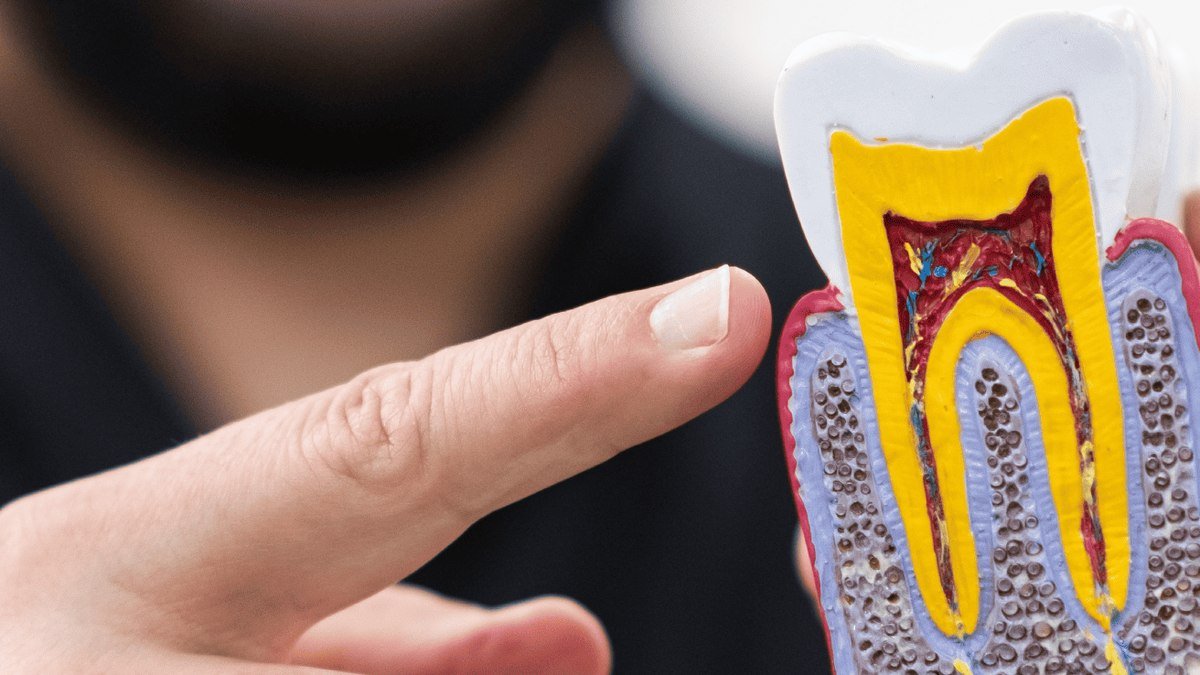
Inside every tooth is a soft core of nerves and blood vessels. When deep decay, a crack, or repeated dental work lets bacteria reach the pulp, it can become infected and painful. A root canal treats the problem from the inside so the tooth can stay in place. It is a routine restorative procedure, and catching problems early at routine preventive visits often means simpler care. The signs below often point to when one may be needed.
Persistent or Severe Tooth Pain
Ongoing tooth pain, especially pain that lingers or returns, is one of the most common signs that the inner pulp may be affected. Pain when biting or applying pressure deserves particular attention.
Not all tooth pain means a root canal is needed, but pain that is persistent, throbbing, or severe enough to disrupt sleep is a signal to be evaluated. Pain that intensifies when you bite down or apply pressure can indicate inflammation around the root. The discomfort may be constant or come and go, and it sometimes radiates to the jaw or nearby teeth. Because pain has many possible dental causes, an exam is the only way to know whether the pulp is involved.
Lingering Sensitivity to Hot and Cold
Sensitivity that lingers for several seconds or longer after the hot or cold stimulus is removed can indicate pulp inflammation, unlike normal sensitivity that fades quickly. This lingering quality is a key warning sign.
Many people feel a brief twinge with cold drinks or hot food, and that usually passes within a second or two. When the sensitivity lingers, aches afterward, or becomes painful, it can mean the nerve inside the tooth is inflamed or damaged. Sensitivity that develops in a specific tooth and steadily worsens is worth having checked promptly, since early evaluation can sometimes simplify treatment.
Swelling, Tenderness, or a Gum Pimple
Swelling around a tooth, tender or sore gums, or a small pimple-like bump on the gum can signal infection that may require a root canal. These signs sometimes appear with or without pain.
A localized area of swelling near a tooth, or gums that feel tender and look red, can indicate that infection has spread beyond the tooth. A recurring pimple-like bump on the gum, sometimes called a dental abscess or fistula, may drain fluid and is a notable sign of infection. Facial swelling or swelling that spreads is a reason to seek dental care quickly. Some infections also occur with little pain, which is why visible swelling should never be ignored even when it does not hurt.
Tooth Discoloration and Other Signs
A single tooth that darkens or turns gray, a chipped or cracked tooth, and a loose tooth are additional signs that the pulp may be affected. Discoloration of one tooth in particular is worth noting.
When the pulp inside a tooth is damaged or dying, the tooth can darken compared to its neighbors. A crack or deep chip can create a pathway for bacteria to reach the pulp, and a tooth that feels loose without gum disease present can sometimes reflect infection at the root. These signs do not always mean a root canal is certain, but together with pain or sensitivity they strengthen the case for prompt evaluation. If the tooth has been injured, an emergency dental visit may be the fastest route to care.
When to See a Dentist
See a dentist promptly if you have persistent pain, lingering sensitivity, swelling, a gum pimple, or a darkening tooth. Early evaluation often means more treatment options and a better chance of saving the tooth.
Dental infections do not resolve on their own and can worsen over time, so waiting tends to make treatment more involved. A dentist can use an exam and imaging to determine whether the pulp is affected and whether a root canal or another treatment is appropriate. For patients who feel anxious about treatment, sedation options can make the experience more comfortable. Our team evaluates symptoms and explains the options clearly.
Don't wait for it to get worse — an exam can find the cause and protect the tooth. Request your appointment online or call (321) 850-5990.
Frequently Asked Questions
Does needing a root canal always involve pain?
Not always. Many cases involve persistent pain or lingering sensitivity, but some infections cause little or no pain and are detected through swelling, a gum pimple, or imaging during an exam. This is why visible signs like swelling should be evaluated even when they do not hurt.
Is a root canal painful?
Modern root canal treatment is performed under local anesthesia, so the procedure itself is generally comparable to getting a filling. Much of the pain people associate with root canals actually comes from the infection beforehand. Sedation options are available for patients who feel anxious about treatment.
What happens if I ignore the signs of a root canal?
Dental infections do not resolve on their own and tend to worsen over time. Delaying care can lead to increased pain, spreading infection, and a higher chance of losing the tooth. Seeking evaluation early often means simpler treatment and a better chance of saving the natural tooth.
Can sensitive teeth mean I need a root canal?
Brief sensitivity that fades quickly is usually normal. Sensitivity that lingers for several seconds or longer after the stimulus is removed, or that steadily worsens in a specific tooth, can indicate pulp inflammation and is worth having checked. An exam determines the cause.
How does a dentist confirm I need a root canal?
A dentist confirms the need through a combination of your symptoms, a clinical exam, and dental imaging that shows the inside of the tooth and the surrounding bone. Tests for sensitivity and pressure may also be used. Only this evaluation can confirm whether a root canal is appropriate.